Two Suffolk self-build homes gain permission at appeal
By Christophe
TAS Architects, with the help of planning consultants Planning Direct, has successfully gained outline planning permission at appeal for two new self-build family houses in Suffolk.
We’re particularly pleased with the decision as it followed an appeal process and highlights opportunities for well considered, self-build new homes in rural settings.
The proposal
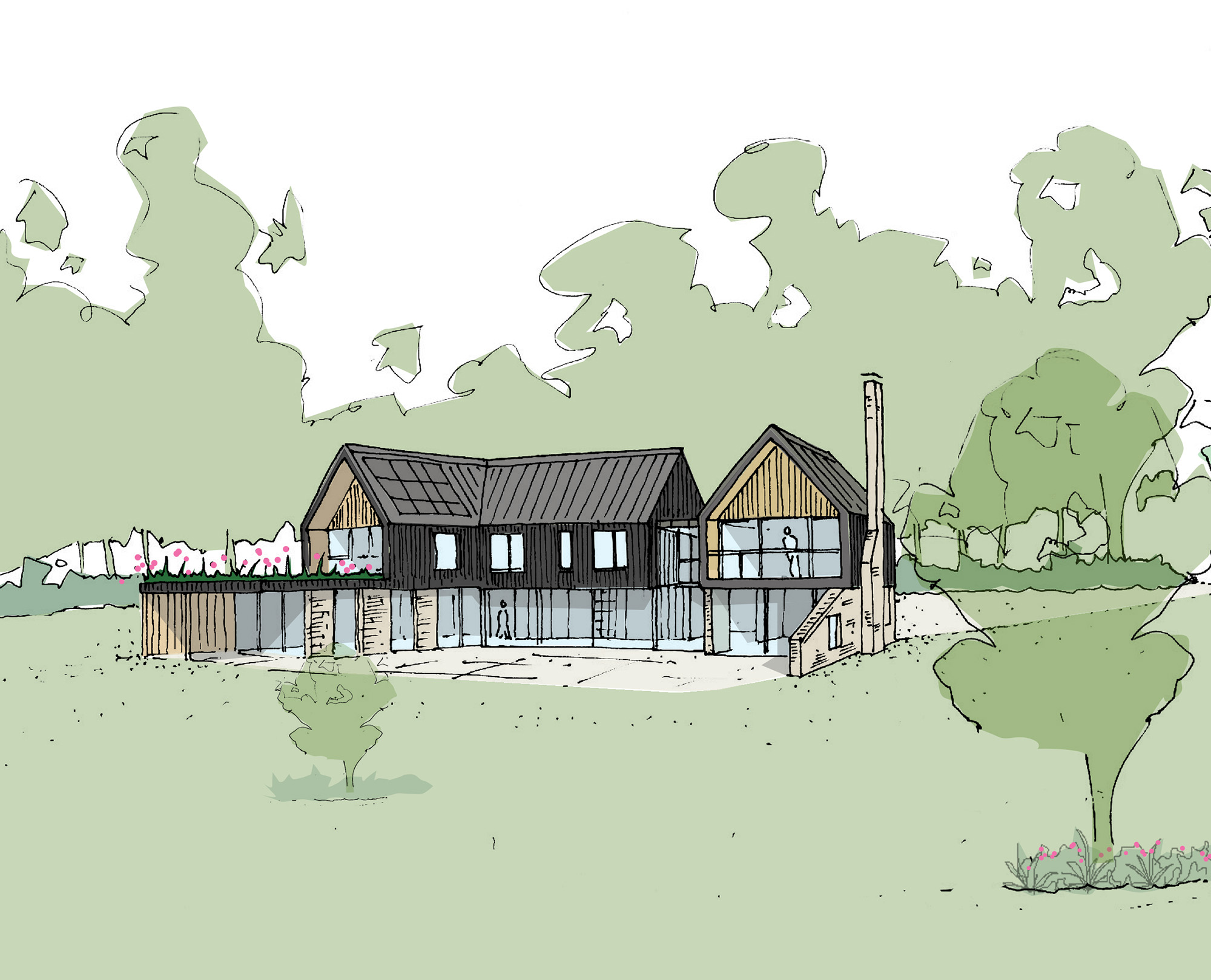
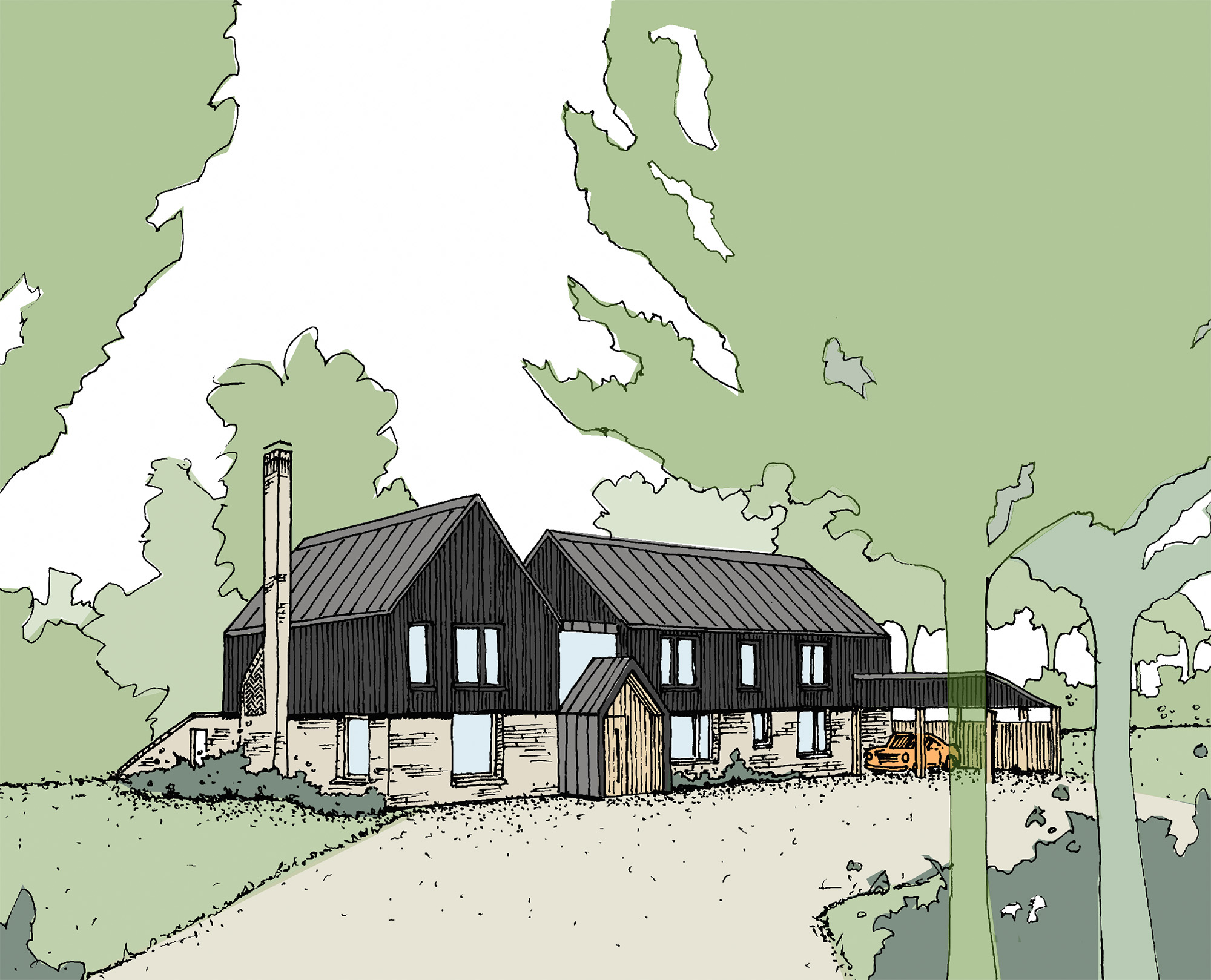
The proposal was to build two self-build homes of high-quality design and construction that sit sensitively into the landscape, using sustainable materials and incorporating energy efficient technologies. As designed, the homes would have a low impact on surroundings and respond to the existing site.
The dwellings would be constructed from a mixture of brickwork and dark timber cladding, with green roofs as well as cantilever roofs to provide solar shading. The generous size of the site offers potential for ground source heat pumps as well as solar PV panels.
By using a timber frame and hemp block insulation, the homes should achieve a high thermal performance with low embodied carbon. When constructed, the clients’ goal is to achieve either a 4 star rating under the BRE EcoHomes assessment, or a 5-star rating under the BRE Homes Quality Mark rating.
Initial concerns
One reason the proposal was initially rejected by the council was because the site sits outside the village’s settlement boundary. Understandably, councils have to be mindful about how rural settlements expand.
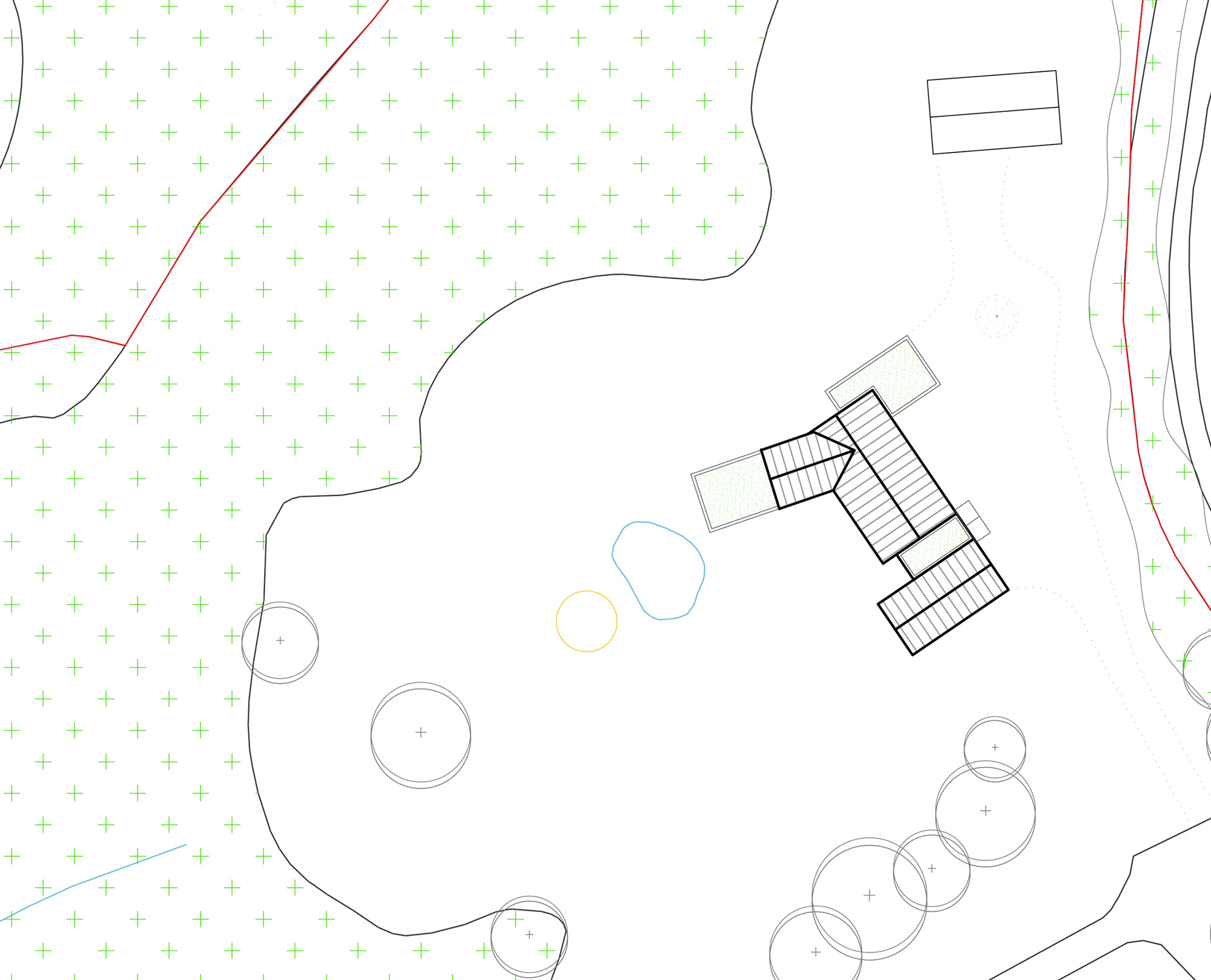
However, we were able to demonstrate that the site did no demonstrable harm to the local area. While outside the boundary, it lies between existing dwellings all sitting back from the road, a pattern the new homes would continue.
The site has extensive screening created by mature trees and hedgerows. It includes an area that has been maintained as a garden for many years, with managed planting and a flat area of mown grass.
Success at appeal
Our proposal successfully gained permission at appeal for several reasons. One factor was our demonstration of the site’s previous use as a garden, which would continue under the proposals.
The main reason was the council’s failure to meet self-build planning targets and to create a five-year housing land supply. Under the Self-build and Custom Housebuilding Act 2015, councils are obliged to meet certain thresholds.
In short, our proposal was deemed a well-timed application that makes good use of a suitable site, while helping the council meet its targets.
Get in touch with us if you’d like to talk about your project.